Aircraft Fuel Contamination: What Gets In, How to Find It, and How to Keep It Out
TL;DR
- • Three contaminants matter: water, microbial growth and particulates — and water enables the other two
- • Water enters mostly through condensation in partly filled tanks and past worn filler cap seals
- • Sump before the first flight of the day and after every refuelling, draining until two clean samples
- • Cloudy fuel is suspended water, not clean fuel — let the sample settle and keep draining
- • Michigan's freeze-thaw cycles make winter the highest-risk season for tank condensation
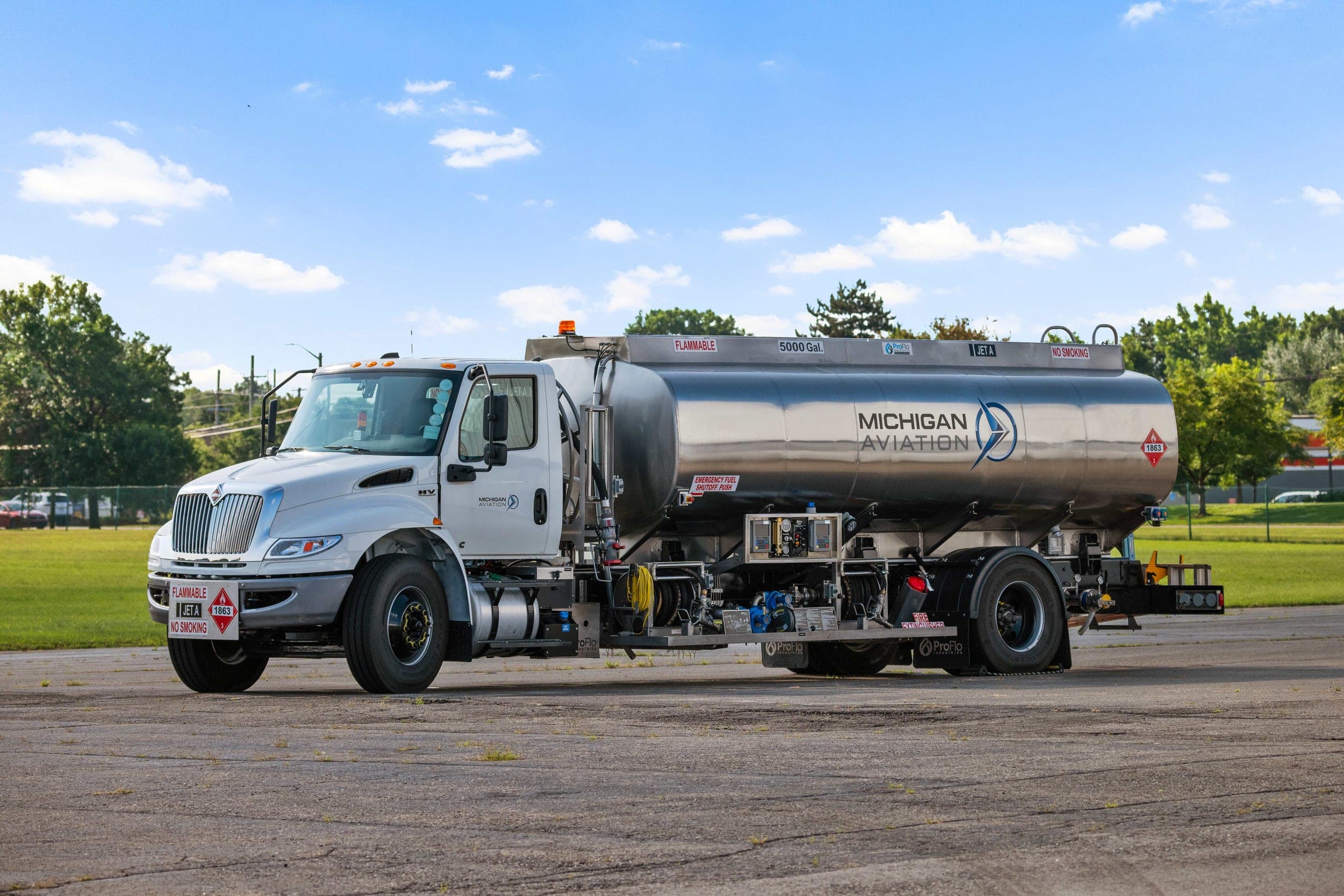
Fuel contamination is one of the few preflight items that can ground an aircraft on the ramp or stop an engine in the air, and it is almost entirely preventable with a clear tester and two minutes of attention. The difficult part is not the draining. It is knowing what you are looking at when the sample comes out, and understanding how the contaminant got there in the first place.
Three things show up in aircraft tanks: water, microbial growth and particulates. They are related. Water is the one that enables the other two, which is why nearly every fuel quality conversation begins and ends with keeping water out.
1. Water: The Contaminant That Starts Everything Else
Water is denser than both Jet-A and 100LL, so it sinks. That single property is what makes it both dangerous and detectable — dangerous because it collects at the lowest point in the tank where the fuel pickup often sits, detectable because that low point is exactly where the sump drain was designed to go.
It arrives three ways. Condensation is the most common: warm, humid air occupying the empty volume of a partly filled tank cools overnight, and the moisture it holds condenses onto the tank walls and runs down into the fuel. Second, worn or cracked filler cap seals let rainwater and snowmelt track directly in, which is why a cap gasket that no longer compresses cleanly is a fuel quality item and not a cosmetic one. Third, water can arrive with the fuel itself if upstream filtration and tank sumping were not handled properly.
In a piston aircraft, water drawn into the fuel system can cause rough running or stoppage outright. In a turbine, it accelerates corrosion and feeds the microbial problem described below. In Michigan, where a single October day can swing thirty degrees between afternoon and dawn, condensation is a year-round concern that gets materially worse once the freeze-thaw cycle sets in.
2. Microbial Growth: The Problem That Lives in the Water Layer
Microbial contamination — often called diesel bug or apron fungus — is a colony of bacteria and fungi that lives at the boundary between standing water and fuel. The organisms sit in the water and feed on the hydrocarbons above. The logic that follows is simple and worth internalising: no standing water, no habitat, no colony.
Established growth appears as a dark brown or black slime, sometimes stringy, sometimes as a mat at the fuel-water interface. It does three kinds of damage. It clogs filters and fuel screens, which is usually how owners first discover it. It produces acidic byproducts that corrode tank structure and fuel system components from the inside. And in severe cases it degrades tank coatings, turning a fuel quality problem into a structural one.
Jet fuel is the more frequent host because turbine aircraft carry larger tanks that are more often left partly full between trips. Aircraft that sit — seasonal operations, aircraft between owners, anything that flew in September and will not fly again until April — are the highest risk, because the colony needs undisturbed time to establish. Biocide treatment exists and works, but it kills a colony rather than removing its remains, and heavy growth still requires physical tank cleaning.
3. Particulates: Rust, Sediment and Everything Else
Particulate contamination covers rust and scale from steel tanks and plumbing, sand and dust that entered during fuelling, degraded sealant or coating fragments, and fibres from rags left where they should not have been. Particulates abrade fuel pumps, stick injectors and metering components, and load up filters. They are the most visually obvious contaminant in a clear tester — you are looking for anything that is not transparent, uniform fuel — and the most likely to indicate a problem inside the tank rather than a problem with what was pumped in.
How to Actually Perform a Sump Check
A sump check is only as good as the technique. Work through every drain point the aircraft has, not just the convenient ones — each tank, each sump, and the gascolator where fitted. Water pools at the lowest point, so if the aircraft is parked on a slope or one wing is low, it may not be where you expect.
Draw each sample into a clear tester and hold it against good light. You are assessing four things: colour, clarity, contents and smell. 100LL should be an unmistakable blue; Jet-A runs clear to pale straw. A colour that does not match the grade you expect is a stop-everything finding, because misfuelling is the one contamination event that no amount of draining fixes. Clarity should be complete. Suspended particles, a water bead with a visible meniscus, or dark slime are all disqualifying.
Keep draining until two consecutive samples come out clean. One clean sample after a dirty one tells you only that you moved some of the contamination, not that you cleared it.
The case that catches people out is cloudy fuel. Hazy fuel is not clean fuel with a cosmetic problem — it is water suspended throughout the sample rather than separated at the bottom, typically after agitation from a recent fuel delivery or a sharp temperature change. Let the tester stand for a moment. If it clears from the bottom upward, you were looking at suspended water and the tank needs more draining before you fly.
When to Check
Before the first flight of the day and after every refuelling, without exception — those are the two moments when water and particulates are most likely to have been disturbed and redistributed. Add a check after the aircraft has sat through a significant temperature swing, after heavy rain or snowmelt, and after any extended period of downtime. An aircraft coming out of a month in a tiedown deserves more scrutiny than one that flew yesterday.
Prevention: Four Things That Actually Work
Keep tanks full when parked. Fuel occupying the tank is air not occupying the tank, and air is what carries the moisture that condenses overnight. Topping off before the aircraft sits is the single most effective habit available to an owner, within weight and balance limits for the next departure.
Treat filler cap seals as a fuel quality item. A gasket that has gone hard, flattened or cracked is an open path for rainwater. It is a cheap part and an easy inspection, and it is routinely the explanation when water keeps reappearing in one tank and not the other.
Hangar the aircraft where you can. A heated hangar flattens the day-night temperature swing that drives condensation and keeps precipitation away from caps and seals entirely. It reduces the rate at which water accumulates rather than eliminating the need to sump, but across a Michigan winter the difference is substantial. Our heated hangar space at KPTK is used by owners for exactly this reason, and the same logic is covered in more depth in our guide to Southeast Michigan weather and aircraft storage.
Buy fuel from an FBO that documents its quality control. Clean fuel at the nozzle depends on filtration, regular truck and storage tank sumping, and records that show both were done. It is a fair question to ask, and a good fuel supplier will answer it without hesitation. Our approach to Jet-A and 100LL fueling at KPTK is built around that chain of custody.
When to Stop and Call Maintenance
Draining clears contamination that has already collected. It does not fix the reason it collected. Bring in a shop when water keeps returning after repeated sumping, when you find dark slime or sediment rather than clean water, when filters are loading up faster than they should, or when the fuel colour does not match the grade you expect.
Persistent water points to a seal, a cap or a tank issue. Microbial growth that has reached the filters generally means the colony is well established and the tank needs inspection rather than treatment alone. Our FAA-certified maintenance shop at KPTK handles fuel system inspection, tank access and filter work, and would rather look at a recurring water finding early than a corroded tank later.
The Bottom Line
Water is the contaminant that matters most, because microbial growth cannot establish without it. Keep tanks full when parked, keep filler cap seals in good condition, hangar the aircraft where practical, and sump properly before the first flight and after every fuelling. When the same finding keeps coming back, stop treating the symptom and have the fuel system looked at.
If you are based at or passing through Oakland County International Airport and want to talk through a recurring fuel finding — or just want to know how the fuel you are buying is filtered and tested — stop by the FBO or call ahead. We would rather have that conversation on the ramp than after a write-up.
Frequently Asked Questions
What is the most common aircraft fuel contaminant?
Water. It enters through condensation in partially filled tanks, worn filler cap seals, and rainwater tracking past a bad gasket. Because water is denser than both Jet-A and 100LL, it settles to the lowest point in the tank, which is exactly where the sump drain is placed.
How do I check aircraft fuel for water?
Drain fuel from every sump point into a clear tester and look at it in good light. Water appears as a distinct bead or layer with a visible meniscus between it and the fuel. Keep draining until two consecutive samples come out clean, then confirm colour and smell match the grade you expect.
Why does fuel sometimes look cloudy instead of showing separate water?
Cloudy or hazy fuel usually means water is suspended in the fuel rather than separated out, often after a temperature change or agitation from a recent fuel delivery. Let the sample stand briefly. If it clears from the bottom up you were seeing suspended water, and the tank needs further draining.
What causes microbial growth in jet fuel?
Microbes live in the water layer at the bottom of a tank and feed on the hydrocarbons above it. Remove standing water and the colony has nowhere to live. Warm temperatures and long periods between flights accelerate growth, which is why seasonally flown and stored aircraft are the most frequently affected.
How often should fuel be sumped?
Before the first flight of the day and after every refuelling, which is when particulates and water are most likely to have been disturbed. Add a check after the aircraft has sat through a significant temperature swing or heavy rain, and after any period of extended downtime.
Does hangaring an aircraft prevent fuel contamination?
It helps considerably. A heated hangar reduces the day-night temperature swing that drives condensation inside tanks, and keeps rain and snowmelt away from filler caps and seals. It reduces the rate of water accumulation rather than eliminating it, so sump checks still matter.
What should I do if I find contamination in my fuel?
Do not fly. Keep draining until samples run clean and document what you found. If water keeps returning, the colour is wrong, you see dark slime or sediment, or you suspect the wrong grade was delivered, have a maintenance shop inspect the tanks and fuel system before the next flight.